
What to Consider When Buying Landscape Supply Materials
Landscaping plays a crucial role in improving the appearance, usability, and overall character of outdoor spaces. Whether you are refreshing a small residential garden or planning a large commercial property, choosing the right landscape supply materials is an important part of creating lasting results. Materials influence everything from drainage and plant health to maintenance requirements and visual consistency. A thoughtful selection process can also help control costs, reduce unnecessary waste, and prevent premature replacements. Before purchasing materials, property owners should evaluate their project's size, design, climate, installation requirements, and long-term maintenance needs. Understanding these considerations makes it easier to create an outdoor environment that remains attractive and functional for years.
Understanding Your Landscape Needs
Every successful landscaping project begins with a clear understanding of the site and its intended purpose. Measure the project area carefully and identify where planting beds, patios, pathways, retaining walls, or other features will be located. A small backyard may require relatively limited quantities, while a larger property can demand bulk materials and coordinated deliveries. Accurate measurements help determine how much soil, mulch, stone, gravel, or hardscaping material will be necessary.
Consider how each area will be used before selecting a landscape supply product. High-traffic walkways need materials capable of handling regular foot traffic, while planting areas require soil and amendments suited to specific vegetation. Drainage conditions, sunlight exposure, slopes, and existing structures can also affect material choices. Developing a detailed plan before ordering reduces the possibility of buying unnecessary products or discovering that additional materials are needed halfway through installation.
Establishing a Practical Project Budget
A realistic budget should account for more than the purchase price of materials. Delivery charges, equipment rentals, installation labor, site preparation, and future maintenance can significantly influence the total project expense. Comparing several material options helps determine where higher-quality products may provide worthwhile long-term value and where economical alternatives may perform adequately.
When comparing landscape supply options, consider lifespan alongside initial cost. A material with a lower purchase price may require frequent replacement, repairs, or maintenance, while a more durable alternative could reduce expenses over time. Setting aside a small contingency amount can also help accommodate unexpected site conditions, additional material requirements, or changing prices without disrupting the entire project.
Coordinating Materials With the Overall Design
Landscape materials should complement the property's architecture and surrounding environment. Rustic homes may pair naturally with irregular stone, natural wood, and textured materials, while contemporary properties often work well with clean-lined pavers, smooth concrete, or carefully arranged gravel. Color, texture, scale, and pattern should work together rather than compete for attention.
Consistency does not mean every area needs identical materials. Instead, repeating certain colors or textures can establish visual connections between different spaces. For example, walkway stone might echo colors found in a retaining wall, while mulch can provide a consistent background throughout planting beds. Planning these relationships before purchasing materials creates a more intentional appearance and reduces the likelihood of mismatched elements.
Selecting Soil and Mulch for Planting Areas
Healthy planting areas depend heavily on appropriate soil conditions. Soil composition affects drainage, moisture retention, nutrient availability, and root development. Before adding new soil, consider the needs of the plants being installed and the characteristics of the existing ground. Some areas may benefit from amendments that improve drainage, while others may require organic matter to support moisture retention.
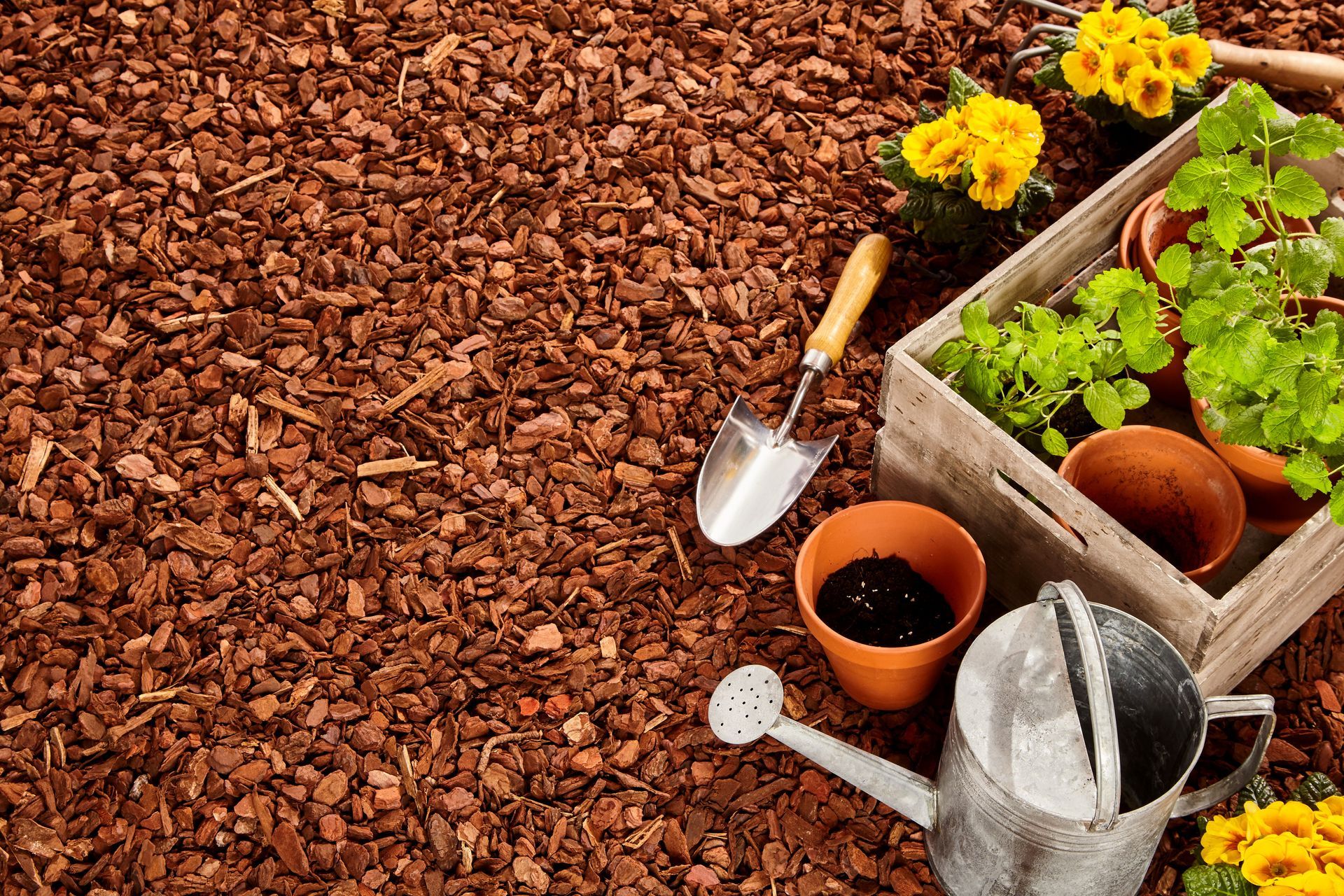
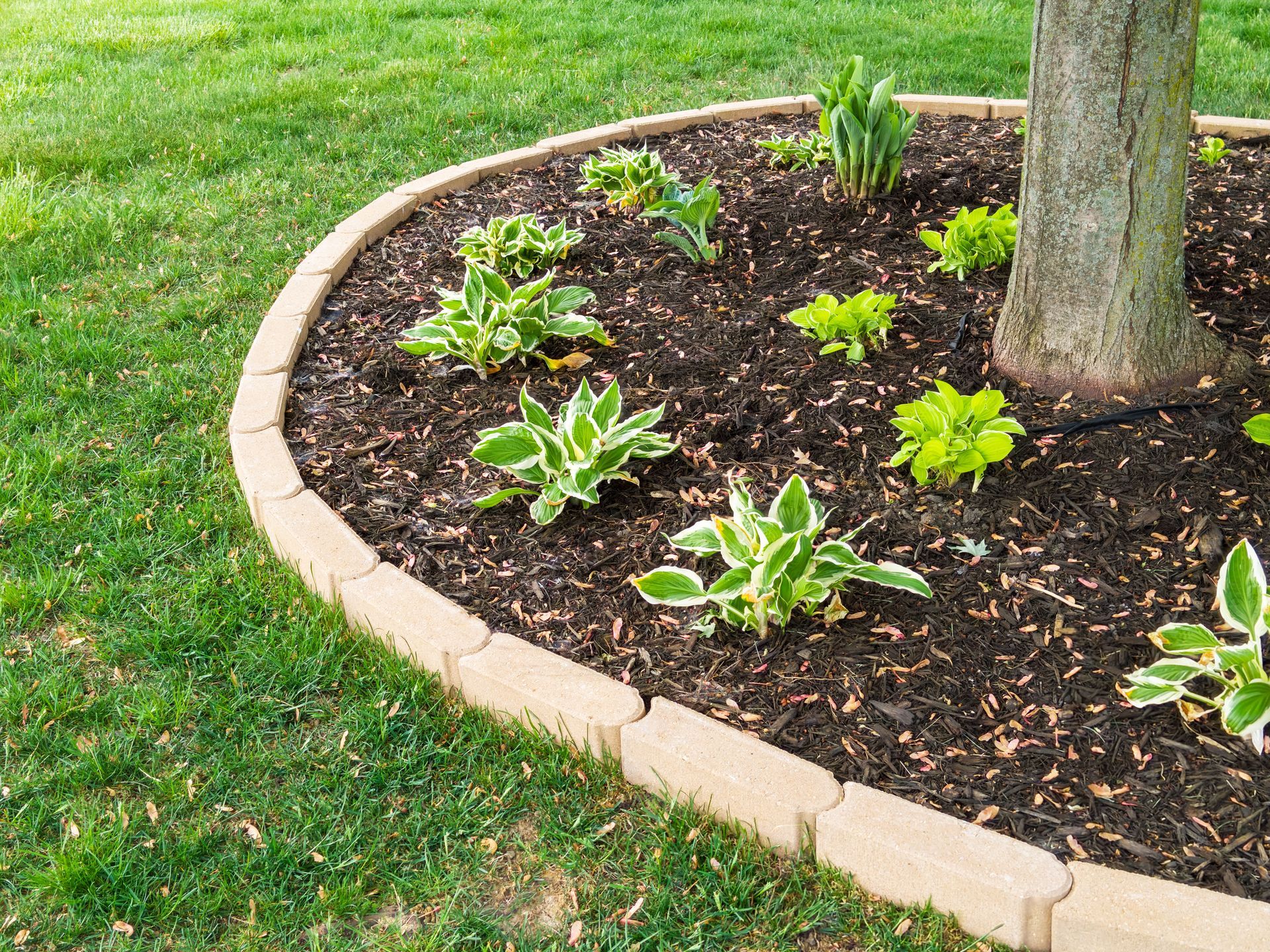
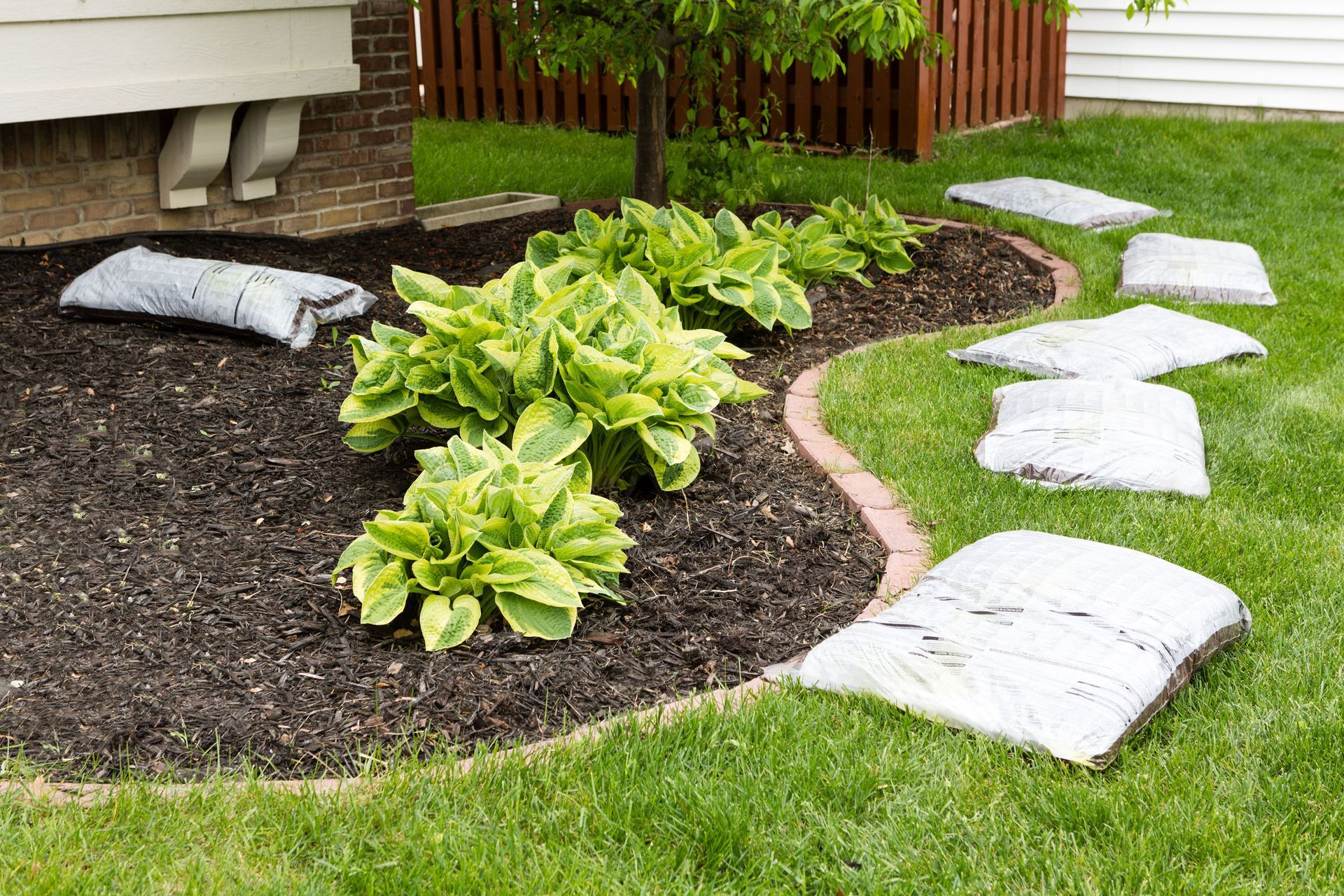
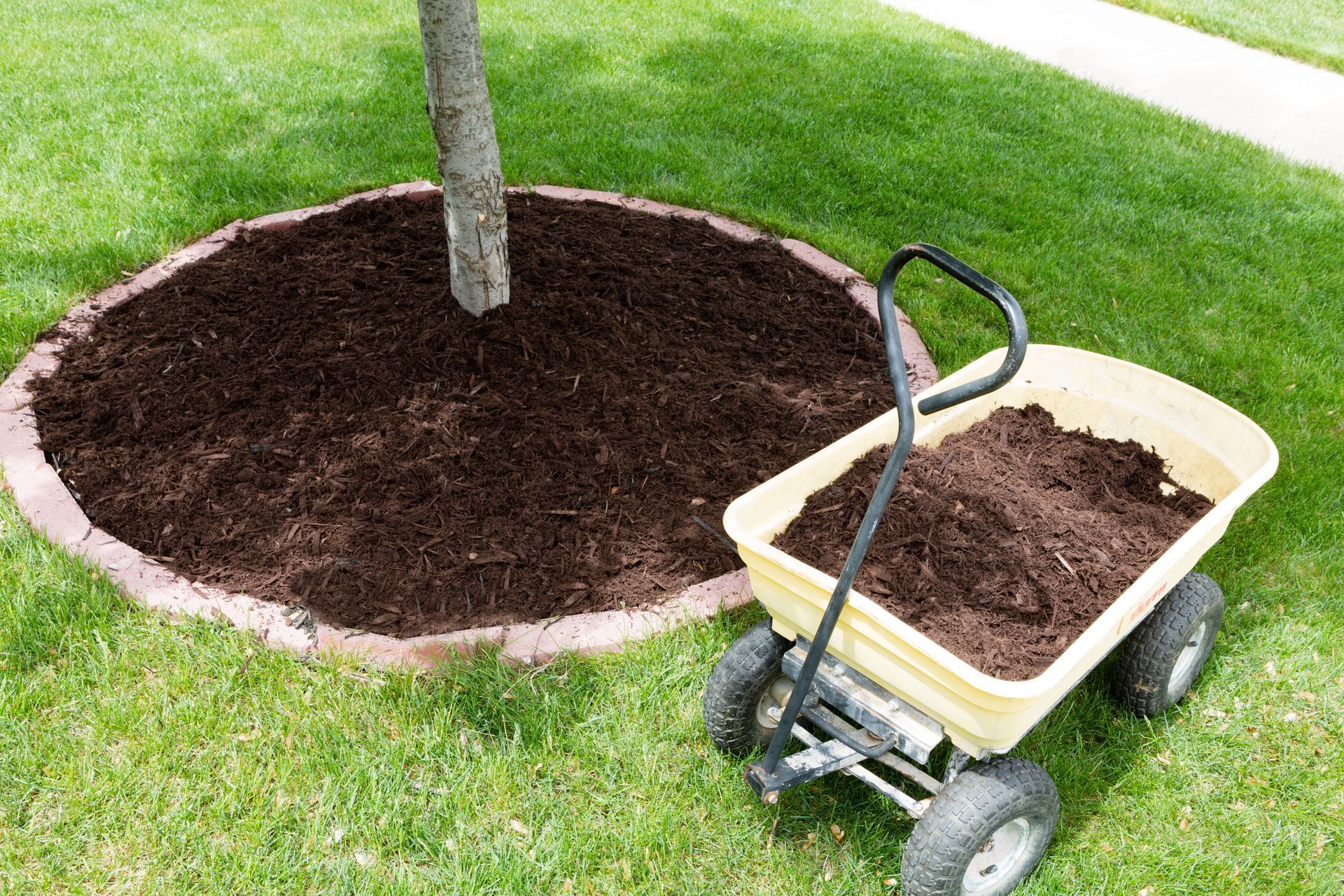
Mulch provides another important layer of protection for planting areas. Organic options such as wood chips or shredded bark can gradually decompose and contribute organic matter to the soil. Inorganic materials may provide longer-lasting coverage in locations where decomposition is undesirable. When purchasing landscape supply materials for planting beds, evaluate depth requirements and calculate quantities carefully so coverage remains consistent throughout the project.
Choosing Stone, Gravel, and Hardscape Materials
Stone and gravel can serve decorative and functional purposes throughout an outdoor space. Gravel may support drainage, create informal pathways, or provide contrast around planting areas. Larger stones can establish focal points, define borders, or contribute to erosion management. Because stone varies considerably in size, shape, texture, and color, samples can be helpful when comparing options before placing a large order.
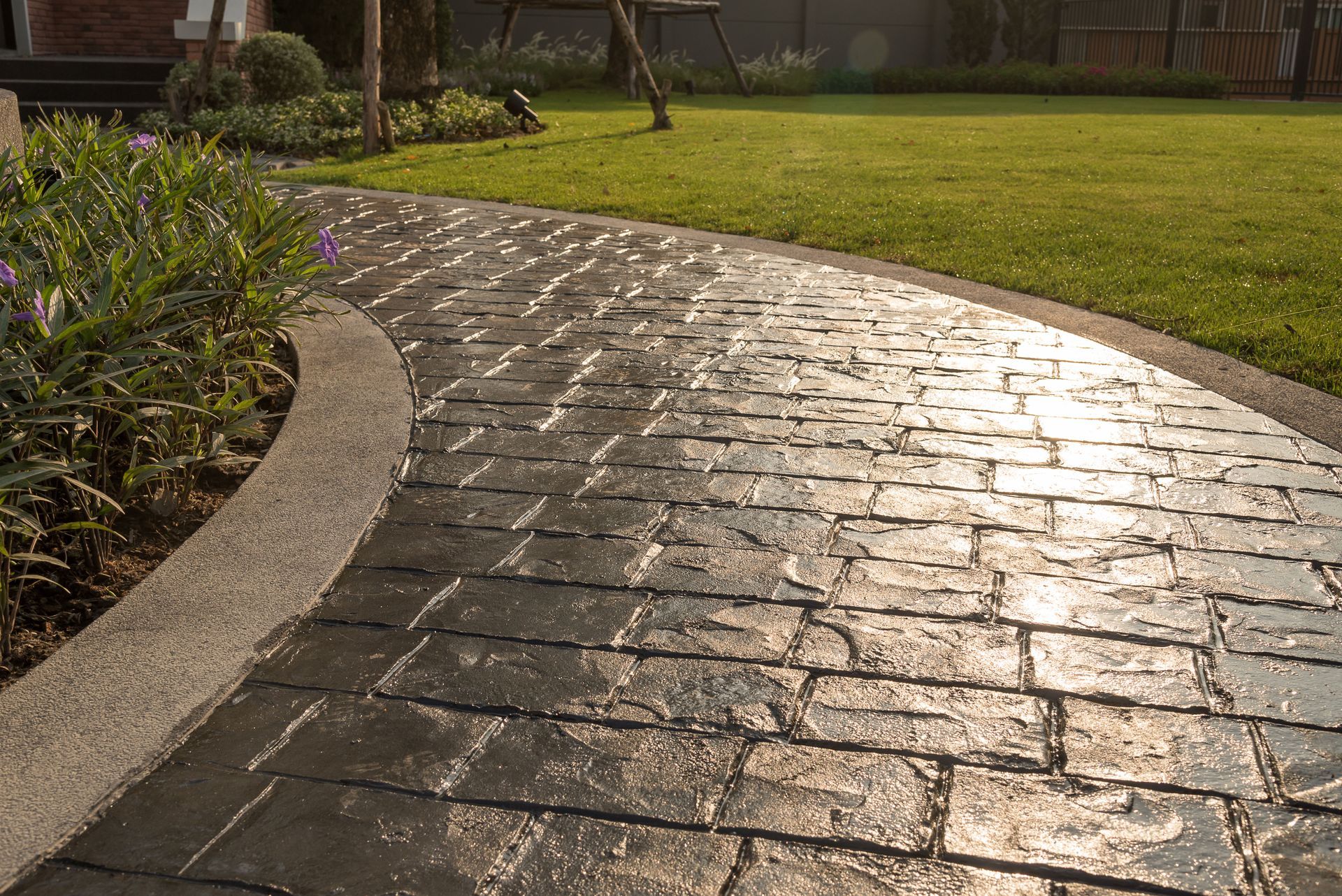
Pavers and blocks are commonly used for patios, walkways, edging, and retaining structures. Material selection should account for anticipated loads, weather exposure, installation methods, and surrounding conditions. Proper base preparation is especially important because even durable products can shift or settle when installed over an inadequate foundation. Matching the material to its intended application improves both performance and appearance.
Considering Climate and Environmental Conditions
Local weather conditions can have a significant effect on material performance. Areas experiencing repeated freeze-and-thaw cycles require products capable of tolerating expansion and contraction. Hot climates may place different demands on plants, soil, irrigation systems, and certain hardscape surfaces. Heavy rainfall can make drainage and erosion control particularly important.
Environmental considerations can also influence purchasing decisions. Recycled materials, responsibly sourced products, and locally available options may reduce resource use or transportation requirements. Native plants can be incorporated where appropriate because they are adapted to regional conditions. Choosing landscape supply materials that correspond with local environmental conditions can help reduce unnecessary replacement and simplify ongoing maintenance.
Evaluating Material Quality and Durability
Material quality directly influences how well landscape features perform over time. Before purchasing, examine product specifications and determine whether materials are appropriate for their intended application. Stone used for a walkway, for example, faces different performance requirements than decorative stone placed in a low-traffic garden bed. Likewise, retaining wall blocks need to support structural demands that ordinary edging materials may not accommodate.
Ask suppliers about product composition, recommended applications, installation requirements, and available manufacturer warranties. Customer reviews may provide additional insight into how materials perform after installation, although individual experiences should be considered alongside technical information. Evaluating quality before ordering helps avoid purchasing materials that look appropriate initially but fail to meet long-term project demands.
Comparing Suppliers and Purchasing Options
Supplier selection deserves careful attention because availability, product consistency, delivery options, and customer support can affect the entire project. Local suppliers may offer convenient access to bulk materials and potentially lower transportation costs, while online sources can provide access to specialized products that may not be available nearby. According to the National Association of Landscape Professionals, the landscaping industry employs more than 1.2 million people, reflecting the extensive network of professionals and businesses involved in maintaining and improving outdoor spaces. Comparing multiple suppliers allows property owners to evaluate pricing, selection, and service before committing to an order.
A dependable landscape supply provider should be able to explain product characteristics, quantities, delivery procedures, and recommended applications. Ask whether bulk discounts are available and confirm whether quoted prices include delivery or handling fees. For unusual materials, verify availability and lead times well before installation begins. Clear communication with the supplier helps prevent scheduling delays and ordering errors.
Planning Delivery and Installation
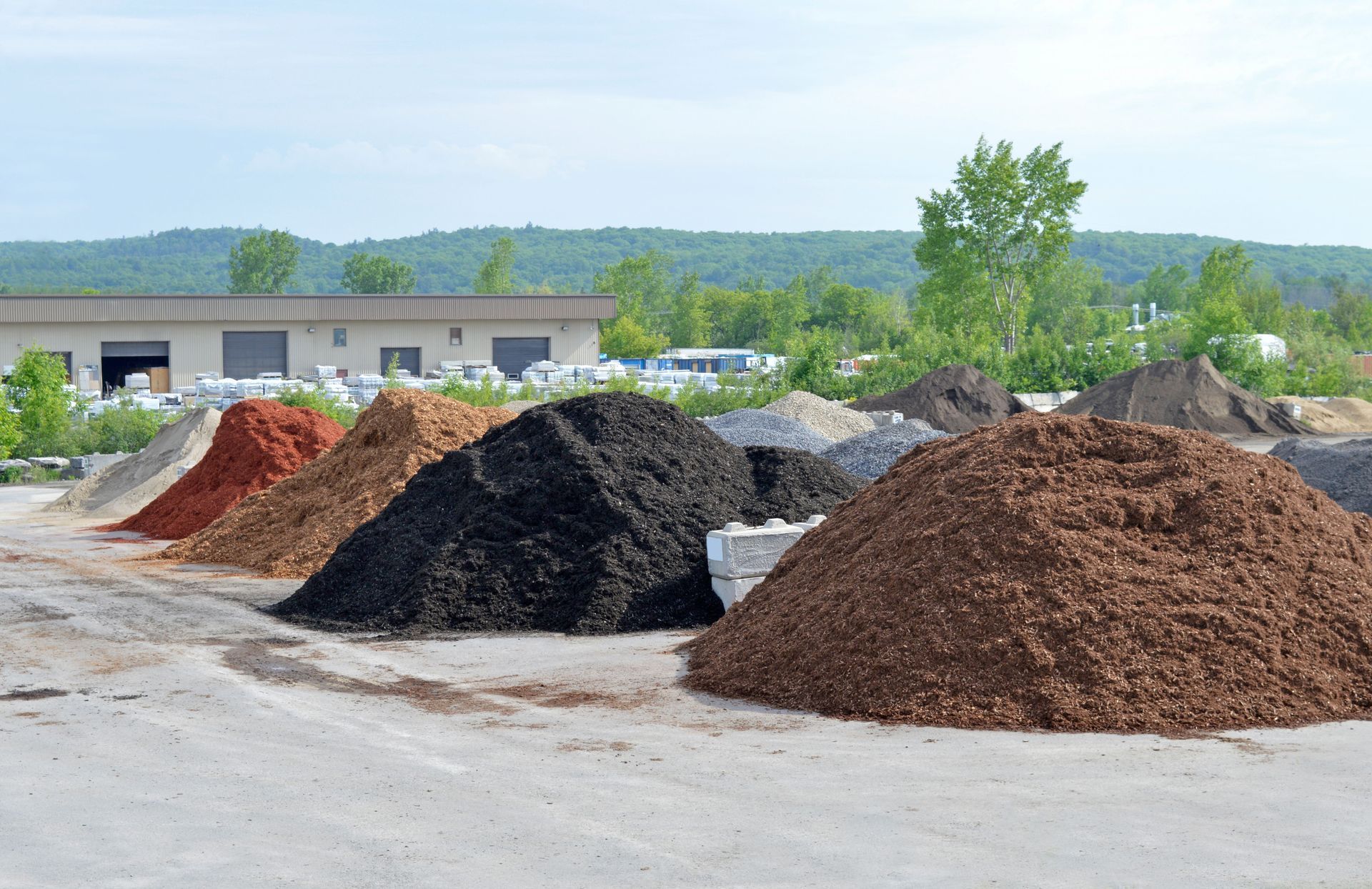
Delivery logistics should be considered before materials are purchased. Bulk soil, mulch, gravel, and stone require adequate space for unloading, and some properties may have limited access for large delivery vehicles. Determine where materials can be placed without blocking driveways, damaging lawns, or interfering with other construction activities. Coordinating deliveries with the installation schedule can also prevent materials from sitting exposed longer than necessary.
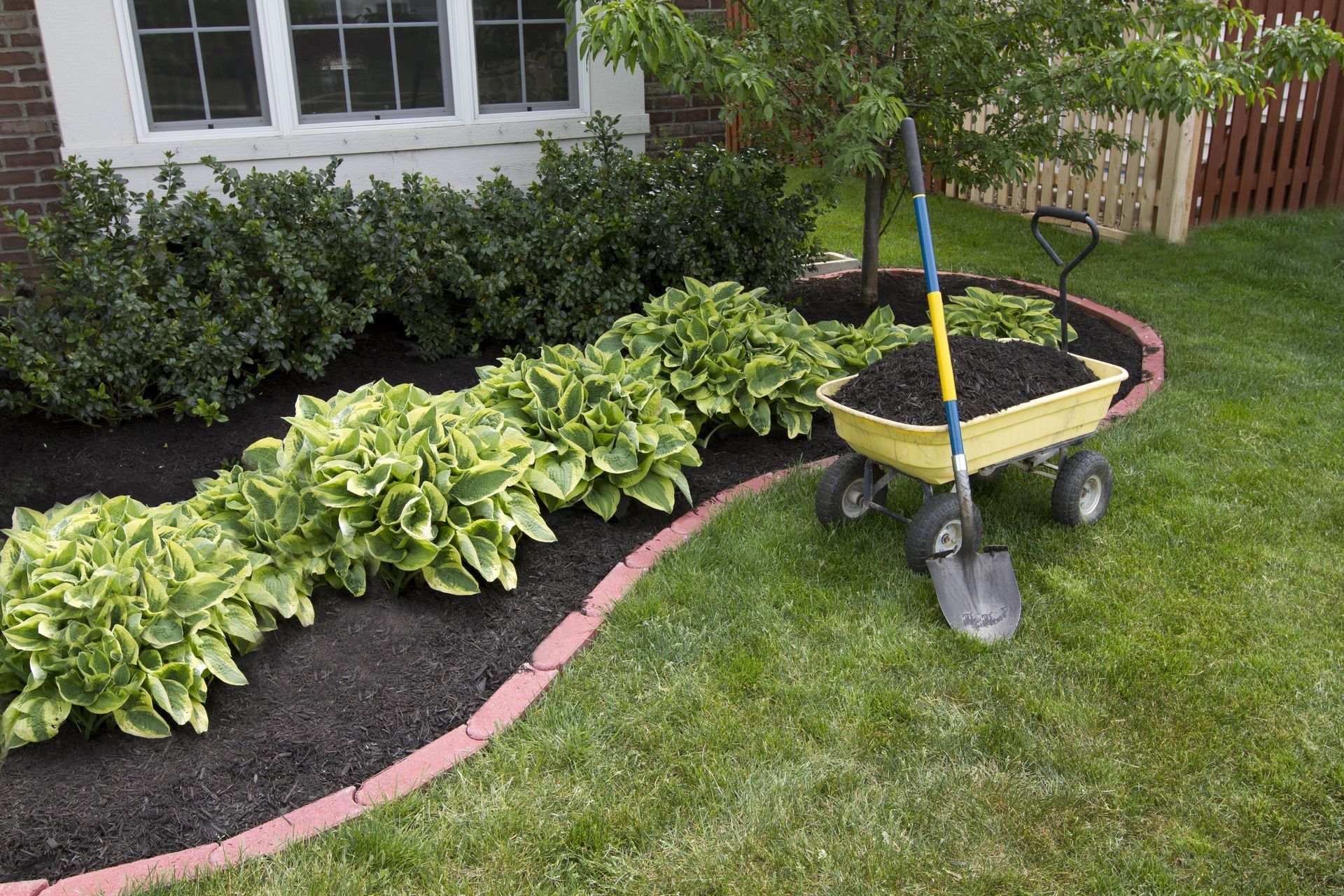
Installation complexity varies considerably among projects. Spreading mulch or creating a small garden border may be suitable for a do-it-yourself approach, while retaining walls, extensive patios, grading, drainage systems, and irrigation installations may require professional expertise. Assess the equipment, skills, and time required before deciding how the work will be completed. Correct installation protects the investment made in quality materials.
A successful landscape combines practical planning with thoughtful design. Durable hardscaping, appropriate soil, effective drainage, healthy plant selections, and carefully coordinated decorative materials can work together to create an outdoor environment that serves both functional and aesthetic goals. By planning quantities accurately, researching suppliers, and considering how each material will perform over time, property owners can make informed decisions that support a landscape designed for lasting use and enjoyment. Contact our team at Cason Builders Supply today and learn more about our landscaping services.

Share On: